


I’ve noticed something recently. It may just be the algorithm, but I think it’s more than that. There is a desire to return to tradition, and not tradition for tradition’s sake. Many of our old traditions were grounded in meaning: sometimes in nature, sometimes in religion, and in some cases I think the nature came before the religion. There was more to them than the surface version we get now.
It’s Halloween on Saturday. But Halloween didn’t start out as Halloween. It goes much further back, to a festival called Samhain. I’ve written about it at length on the Wild Together site, so I’ll keep this brief. These customs come from different times and places. Some are old, some came later, and some have been revived or reshaped. I’m bringing them together here because of what they offer: ways to mark the season, gather together and remember the dead, to give meaning to life.
Samhain marked the turn from the light half of the year to the dark half. The cattle were driven down from the hills, the last of the harvest was brought in, and a festival marked the moment. I’m avoiding the word ‘celebrate’, because I don’t think celebration fits the spirit of it.
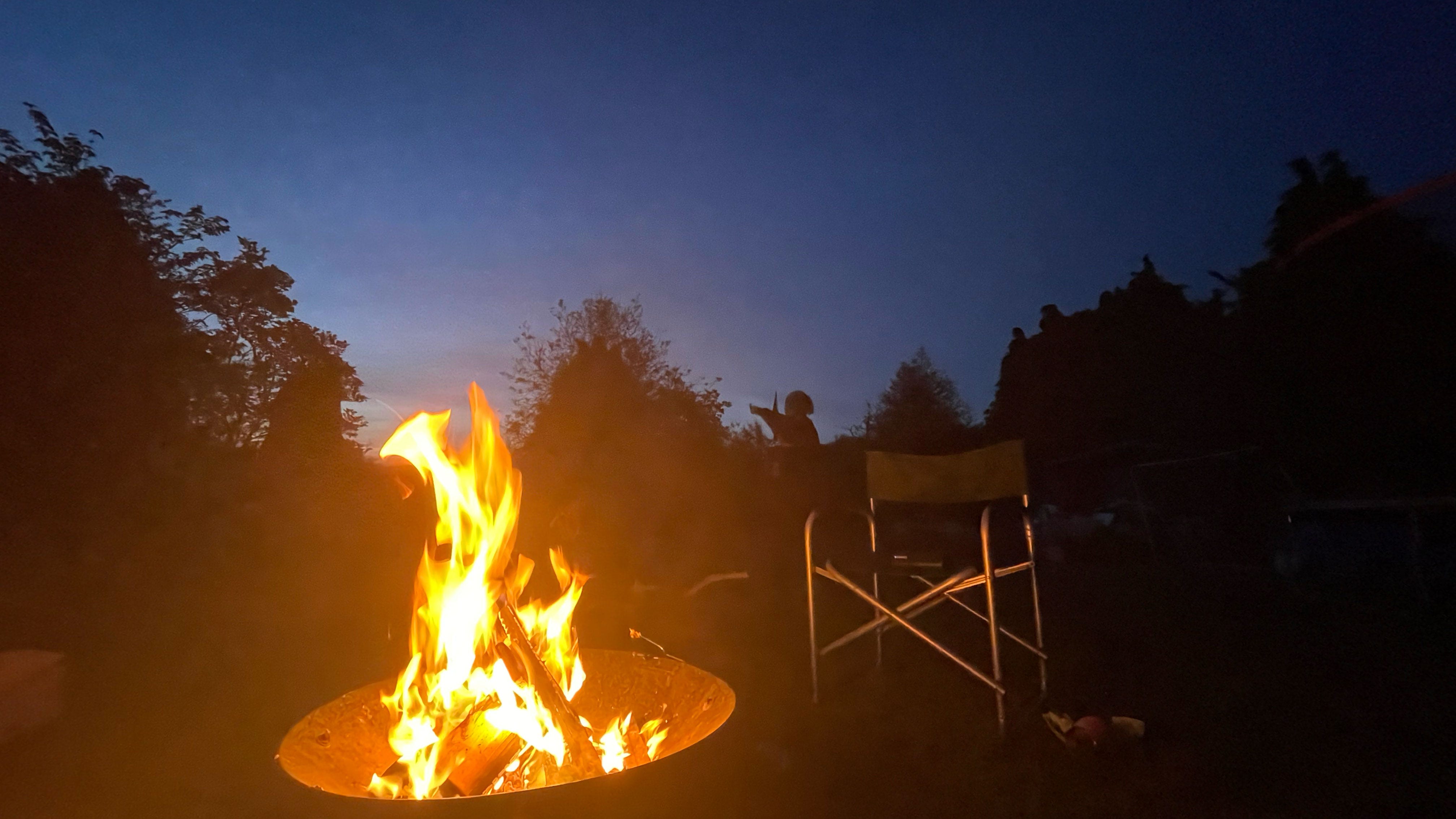
The first tradition that really speaks to me: every hearth fire in the village was put out, so the story goes, and relit from one huge communal bonfire. It marked a new beginning, but it also showed the power of community: every household carried a flame from the same fire to get it through the winter, so nobody went into the dark alone.
Second, there was divination: trying to see the future. In apple bobbing, whoever caught the apple first would be the next to marry. Or you peeled an apple in one long strip, threw it over your shoulder, and the shape it landed in gave the initial of the person you would marry. Simon or Sarah came up a lot.
Third, and to me the most interesting, people believed the veil between the spirit world and ours was thin that night. That let malevolent spirits through, but it also let your ancestors come back and sit with you. There are many versions of the Dumb Supper, but the one that appeals to me most is this: The family made the best meal they could, set an extra place at the table and left it empty. They ate in absolute silence, listening for a creak in the floorboards, watching for the candle flame to flicker and let them know their ancestors were there with them.
Why does this matter now? I’m seeing a lot of mentions of Samhain. Again, that could be the algorithm. But it isn’t only my feed: Google search interest for Samhain in the UK spikes every October, and since 2016 that October peak has risen by about two thirds, while interest throughout the rest of the year has more than doubled. I think interest in the older festivals really is coming back, the need for meaning, custom and ritual is coming back. These festivals can provide that. Halloween evolved from Samhain but somewhere along the way lost a lot of its meaning. Halloween went across the Atlantic, got packaged in plastic and sent back, but it’s up to us to choose which version we want.
I can see a desire to get back to the real thing: in communities and in families, people starting to push back on the commercialisation and revive the essence of these moments.
Maybe it is just the algorithm. But an algorithm only shows you more of what you stop scrolling for, and a lot of people seem to be stopping for this. I think perhaps enough people’s hearth fires have gone out that they’re looking for something to relight them from.