


It was the first time we’d been out for a meal as a family in a long while—a typical British Sunday lunch scene: log fire roaring, clink of glasses, laughter, cutlery and crockery. I looked around and a thought struck me: in one realm of my family, I’m the last man standing. There were mums and dads with kids, yes, but it was the grandmas and grandads who caught my eye—the next phase of my life arriving too quickly.
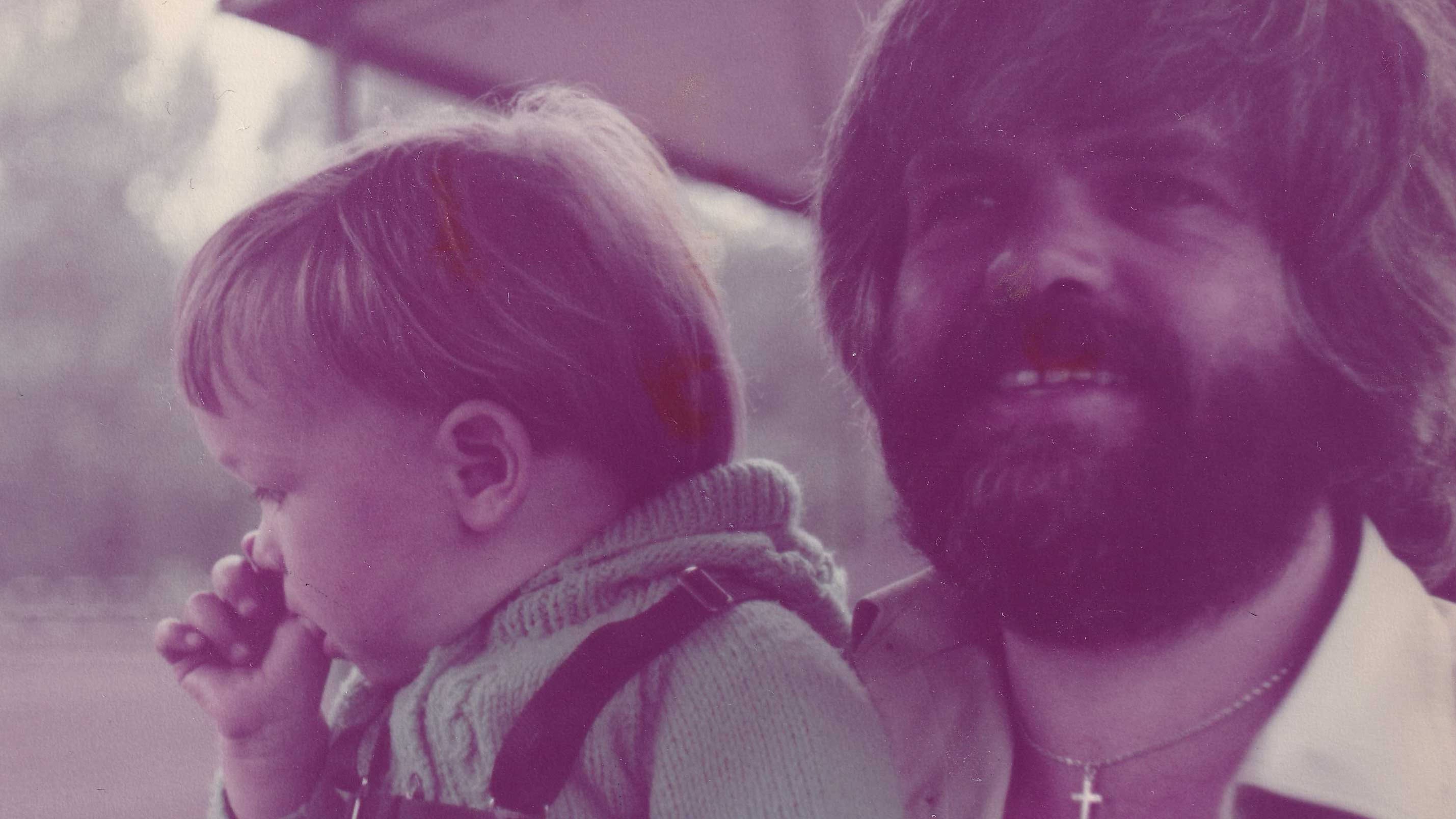
Some background: my dad died when I was 32, just after my son was born. Mum died when I was 40—four years ago now. Of course, the relationship with my parents is gone; that seems obvious, but I hadn’t really considered what that actually means. I still have my little sister—what’s missing is the row above us.
I saw parents my age with their parents looking on, enjoying their grandchildren, and a sinking feeling hit me: I can’t have that. My children can’t have that. And there’s nothing I can do about it.
I knew I’d lost some of it when Dad died—things were never the same again; how could they be? Only now, watching these other families, did I see how much more had gone.
A parent’s love for a child is unconditional in the most straightforward way. In early childhood it’s protection and care; as children grow and need less, the shape changes, but the love doesn’t. A child’s love for a parent is more complicated. At the beginning it’s unconditional because it has to be. Then it waxes and wanes, changes form, even goes missing for a while—but it returns.
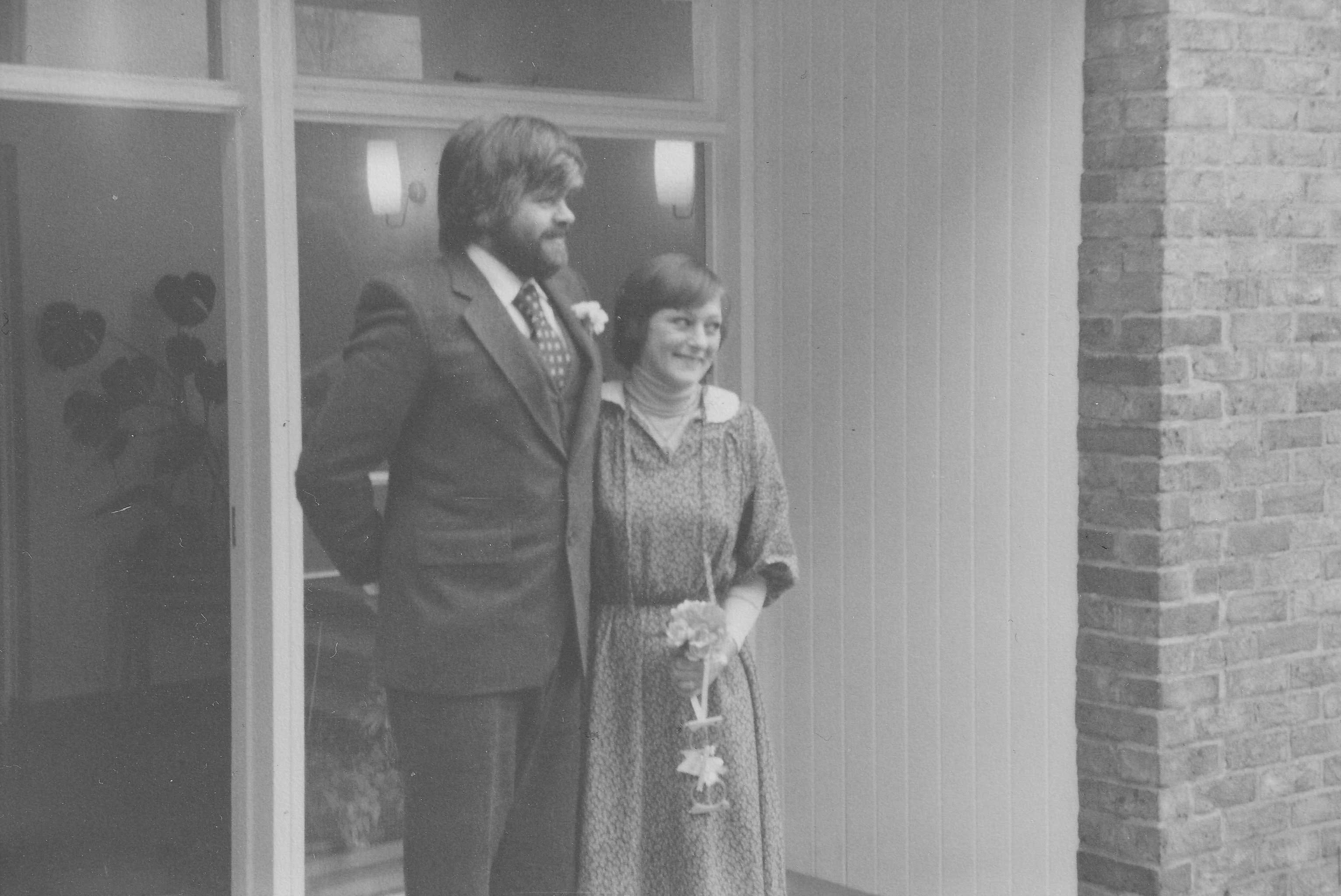
Parents are a constant—or should be. They’re the only people who are truly, irreversibly proud of you. I know I am with my two, for both the simplest and the hardest things. Parents see you through all your ups and downs. When your parents die, there’s no one left who feels that way about you. Yes, your wife or husband loves you and is proud of you, but it’s not the same; they’re their own person and don’t have that bond that stretches back to your beginning. Even as an adult, you still need that—the relationship so deep and long that no partnership, however loving, can quite replicate it.
It’s only when you have no parents that you realise how alone you are in the world. The link to the past is first damaged, then severed. When the first parent dies, although it’s devastating, there’s still a shared history—a bridge back to childhood. When the second goes, the bridge goes too. There’s no way back. You’re stranded, the adult in charge whether you feel ready or not. The barrier—the cushion—between you and the knowledge that you’re the grown-up has fallen away. That little warm, comforting family is gone, and you’re what remains of it.
A song from the ’70s drifts across the pub. The singer’s voice sends me right back to my childhood and leaves an ache in the pit of my stomach. The Welsh have a word, hiraeth—a longing for a person, place, or time you can’t return to. The Portuguese have saudade—a kind of joyful sadness. Beautiful words, but they don’t quite catch it.
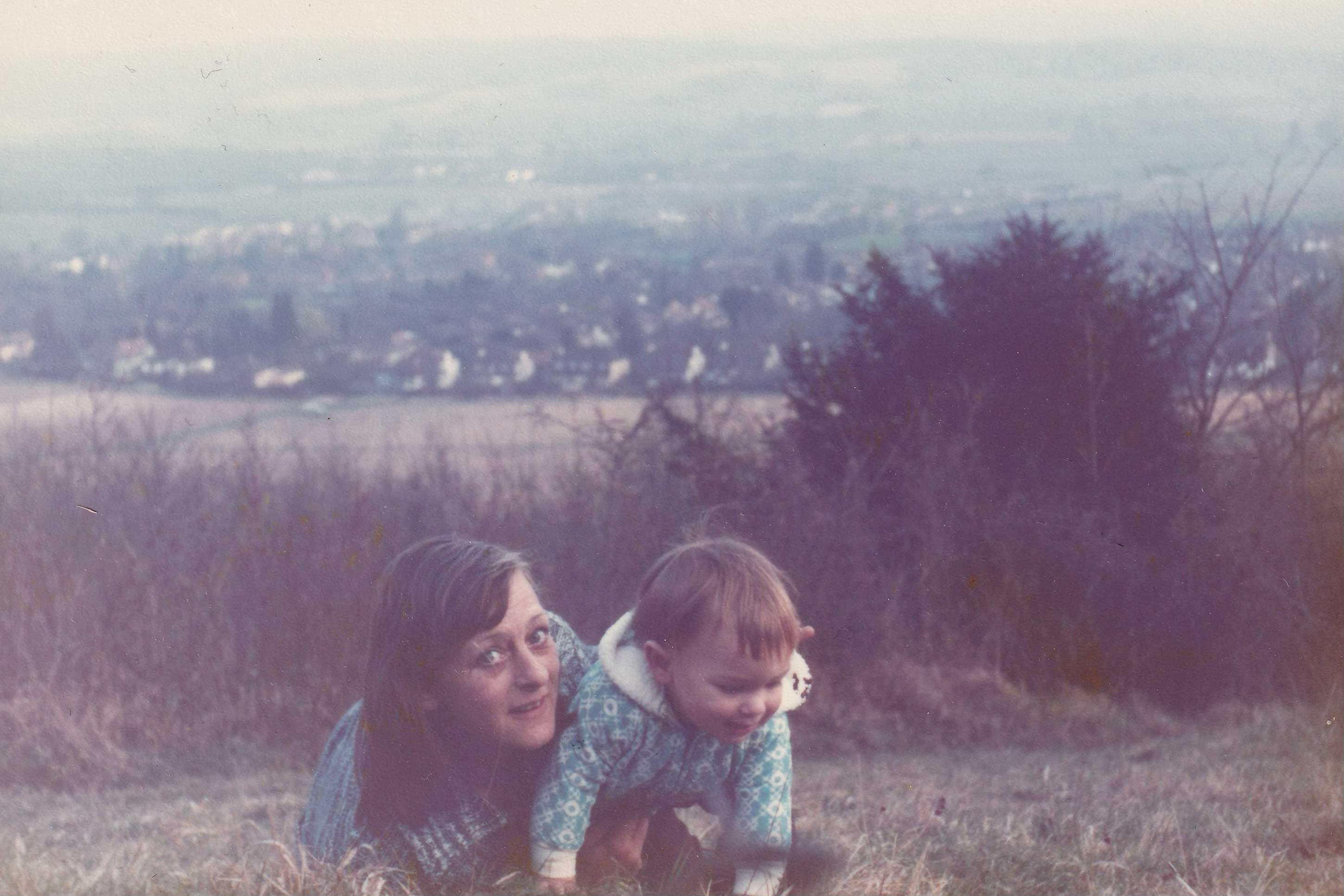
What is the thing I miss most? When I look at families with older parents, it isn’t exactly jealousy—I’m happy for them; I just wish I could have my mum and dad back for one meal, to sit with my family and see what life looks like for me now.
I see fathers with sons. I see grandads with their grandchildren and—though I don’t want it to come too soon—I look forward to that chapter in my life. For now, I’ll live with it.